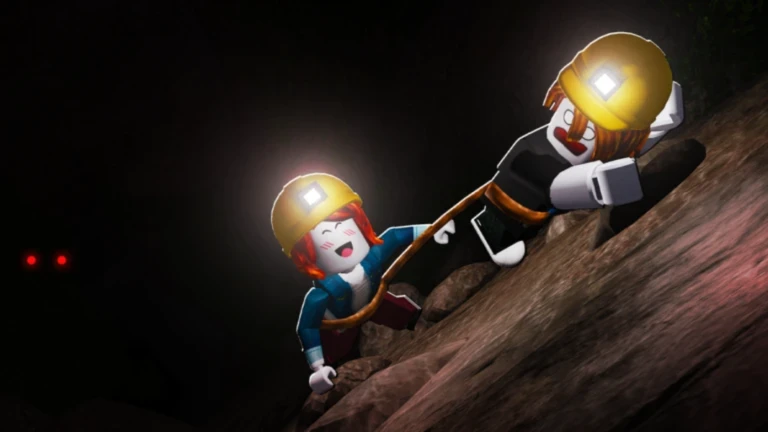
- Escape the Cave beginner guide: Mine rocks, sell resources, and reinvest in upgrades.
- Core loop: Mining power and backpack capacity drive early efficiency.
- Best first buy: A stronger pickaxe before anything situational.
- Save Gems: Reserve them for upgrades with long-term value.
- Avoid: Filling your backpack mid-run with no plan to return and sell.
Escape the Cave Basics: How Your First Run Works
Every Escape the Cave beginner guide starts with the same core truth: the game is a loop of mining, selling, and upgrading. You break rocks, collect resources, carry them back to the selling area, and spend the earnings on equipment that makes the next trip better. New players who treat each trip as part of a cycle progress far faster than players who wander deep into the cave with starting gear.
Here is how the three main systems interact:
| System | What It Does | Beginner Priority |
|---|---|---|
| Mining | Breaks rocks and collects resources | High - determines trip speed |
| Backpack | Sets how much you can carry per run | High - prevents wasted trips |
| Upgrades | Converts Cash and Gems into permanent power | High - fix your bottleneck first |
Prioritize nearby deposits on your first few runs. Learning the mining area layout without wasting travel time is worth more than any single upgrade you could buy early.
Step-by-Step: Your First Five Runs
Follow this sequence to build a strong early-game routine. Each step reinforces the next, so avoid skipping ahead before your equipment supports it.
Start Mining Rocks
Use your starting equipment to break nearby rocks. Focus on deposits close to the selling area so you can learn the controls and the map without long return trips.
Return and Sell Resources
Bring materials back and convert them into Cash. Sell regularly - a full backpack stops your progression completely until you return.
Buy Early Upgrades
Reinvest earnings into mining power, movement, and backpack capacity. Choose upgrades that reduce downtime rather than the most expensive option available.
Extend Your Route
Once your pickaxe and storage improve, travel deeper into the cave and target more valuable resources that starting gear could not handle efficiently.
Progress Toward the Exit
Balance mining speed, storage, and transportation as you advance. Never spend all your currency on one upgrade if it leaves other systems behind.
The most frequent beginner error is entering deeper areas before upgrading. If common rocks take too long to mine, your equipment - not your route - is the problem.
Upgrade Priorities Compared
Not every upgrade deserves your early Cash. This comparison shows what each category does and when it earns its price:
| Upgrade | Function | Best Time to Buy | Value |
|---|---|---|---|
| Pickaxes | Improve basic rock-breaking efficiency | When common rocks feel slow | High early-game |
| Backpacks | Increase carrying capacity | Whenever packs fill mid-route | High consistent |
| Drills | Sustained, advanced mining | After income is stable | High mid-game |
| Cars | Faster travel on long trips | When travel dominates run time | High for long runs |
| Dynamite | Clears difficult obstacles | Situational time-saver | Situational |
Upgrade the system causing the most downtime. Mining-focused upgrades help collection, movement upgrades improve consistency, and storage upgrades reduce return trips. Fix the weakest link first.
Currency Management: Gems vs Cash
Cash - Everyday Currency
- Earned through consistent completions
- Spent on core equipment upgrades
- A moderate completed run usually beats an ambitious failed one
- Best used on pickaxes and backpacks early
Gems - Premium Currency
- Less common than mined resources
- Reserve for long-term progression unlocks
- Compare the next upgrade against your bottleneck before spending
- Avoid impulse purchases right after earning them
For cooperative runs, coordination multiplies your income. Assign roles before entering, announce when moving deeper, and regroup before risky sections. Communication prevents multiple players from mining the same deposit while another area sits untouched.
Choose a repeatable route, avoid unnecessary detours, and leave when the team has enough resources to justify the risk. Consistent completions build your upgrade budget faster than risky attempts.
Beginner Readiness Checklist
Run through this list before attempting longer or harder expeditions:
Before Your First Deep Run:
- Complete at least three successful sell cycles with basic gear
- Upgrade pickaxe once beyond starting equipment
- Increase backpack capacity at least once
- Learn the route back to the selling area from mid-cave
- Build a Cash reserve before entering Hard mode
Use Easy mode to learn map flow and test upgrades safely. Hard mode demands preparation: a planned route, a regroup point, suitable pets, and the experience to know when to retreat.
Beginner FAQ
Q: What should my first upgrade be in Escape the Cave?
A stronger pickaxe is usually the clearest first investment because it speeds up every subsequent mining trip. Add a backpack upgrade soon after so you can carry more before returning to sell.
Q: Should I explore side paths on my first run?
No. Prioritize reaching the end over optional exploration on your first completion. Search side passages during a dedicated exploration run after the main route is secure.
Q: When should I try Hard mode?
Only after your equipment addresses your team's weakest point - mining speed, movement, or survival. If you regularly run out of time or lose members in Easy mode, upgrade first.
Q: How do I earn Cash efficiently as a beginner?
Consistent completions beat ambitious failures. Pick a repeatable route, collect nearby resources, and sell before your backpack fills. Reinvest earnings into the current bottleneck.